.jpg?AccessKey=8b78d5c0-4207-4126-8e65ec81bf3c-51dc-4511)
Ancestral offerings
Ancestral Money In America: Native Practices
Money is an essential component of life. It shapes our relationships, our identities, and even our culture. In America, the idea of money has been evolving for the reason that days of Native settlements. Ancestral money in America: Native Practices reveal a completely unique angle on the manner money has been used all around historical past. Let’s take a journey through time to discover how this historic attitude to forex shaped America’s financial system.
The native tribes of North America had their own unique practices when it came to exchanging goods and functions. They believed in a gift economy where one and all was guilty for assisting one another out by providing what they can offer. This meant that they did not use coins or paper bills; as a substitute, they relied on barter-style buying and selling and gifting with items like food, tools, clothes, and jewellery.
This variety of trade was in response to mutual respect and knowing between folks from assorted tribes or cultures. The natives also believed that cash was anything that will be shared and brought care of for future generations so that all and sundry could improvement from it. This mentality continues to be alive today in some indigenous groups who still observe these ancestral ways of managing money. With this text, we’ll look at how these traditional practices shape modern American funds and discover what lessons we can learn from them today.
Definition Of Ancestral Money
What is ancestral money? For generations, native people have used it as a kind of basic currency. It’s an important a part of the indigenous economy, and has come to represent more than just financial value. It’s about understanding the past and honoring culture in tangible ways.
Ancestral altarsAncestral money is a term that refers back to the plenty of kinds of currency utilized by Native Americans before contact with Europeans. This consists of goods akin to shells, stones, feathers, and beads which have been considered effectual items among many tribes. These items would be exchanged for goods or functions comparable to food, safe haven, or tools.
In addition to being a physical illustration of wealth and status, ancestral money also represents anything much deeper: a connection to historical past and tradition that goes back centuries. Its use is still obtrusive today in some Native American tribes who proceed to pass down these classic currencies from era to generation. By doing so, they're keeping their cultural heritage and conserving alive a legacy that may never be taken away.
History Of Native Practices In America
It’s clear that ancestral money has a long and varied history in America. Before the appearance of Europeans, many Native American tribes used superior foreign money strategies to facilitate basic trade. These native practices are sometimes overlooked or misunderstood, but they were an essential component of Native American life for centuries.
The pre-colonial cultures of North and South America had complicated strategies of buying and selling goods and services. Many relied on bartering or gifting to purchase what was needed for survival, in addition to for ceremonial functions. In some cases, definite items reminiscent of shells, beads, and feathers served as foreign money to facilitate trade.
In addition to those more tangible forms of money, there have been also intangible forms that could be transferred via generations. These covered advantage, skills, and social capital – all important accessories of a functioning society.
- Native Americans have been using more than a few types of forex since precedent days
- Bartering was an important form of trade among many tribes
- Certain items equivalent to shells, beads, and feathers were used as foreign money
- Intangible types of money like advantage and social capital may be transferred via generations
Pre-Colonial Currency Systems
Before the Europeans arrived in America, indigenous cultures had their own unique strategies of forex and trade. These pre-colonial foreign money tactics were in response to a barter economic system that relied heavily on the idea of reciprocity. Amongst native groups, goods, services, and labor were exchanged without the need for any type of cash or coins. Instead, items such as animal hides, weapons, tools, and food served as a kind of currency.
Native Americans also employed other sorts of currency comparable to wampum beads which have been used to represent wealth and exchanged for goods and capabilities. Wampum was created from shells and traded among tribes to represent agreements or strong bonds among them. It was also a vital a part of Native American rituals used in ceremonies or devout practices.
These pre-colonial forex methods show how Native Americans managed their very own economic system earlier than colonization. The use of those kinds of exchange enabled tribes to facilitate trade amongst themselves in addition to with settlers who arrived later in American history. Although times have modified since then, it is important to realize the vital role that native exchanges played in early American life.
Traditional Exchange Systems
Have you ever wondered how early American communities controlled to exchange goods and functions with out money? It is fantastic to consider the variety of traditional exchange techniques that have been used all around historical past, including in pre-colonial America.
From basic bartering and buying and selling to more complex kinds of trade, a wide array of methods were employed by Native Americans to move goods and features. The following list adds an overview of these appealing styles of basic trade approaches:
-
Traditional Bartering: This was the most common sort of trade among Native American tribes. It concerned replacing goods or capabilities for other goods or capabilities without the use of cash. Common barter items covered animal skins, tools, guns, beads, blankets, and food.
-
Traditional Trading: This was a more formalized variant of bartering which concerned two events agreeing on a set price for a particular item. This style of trading in most cases came about at markets or fairs where dissimilar investors would come together to buy and sell goods from one another.
-
Traditional Commerce: This was a way utilized by larger tribes or international locations who had based buying and selling networks with other groups. In the program, merchants would travel among assorted groups to buy and sell numerous items similar to jewelry, pottery, tools, guns, clothing, etc.
In essence, basic trade procedures enabled Native Americans to carry out monetary transactions without using money or coins. Through bartering and buying and selling they were capable of access basic assets that provided them with basic needs such as food and safe haven while also allowing them to have interaction in craftsmanship actions like weaving baskets and making pottery. These basic trade procedures played a vital role in the advancement of native economies in pre-colonial America.
Legal Status Today
Today, the legal status of ancestral money in America is complex. Though native practices akin to basic trade are still applied, they're largely unrecognized by the U.S. government. Many people don’t realize that indigenous groups have their very own monetary approaches and price strategies that they continue to use. These systems often transcend foreign money and contain trade, gifting and other sorts of trade which usually are not recounted by most American institutions.
In addition, any transactions that contain ancestral money today take place outside the remit of federal laws or oversight. This means there are no protections should some thing go wrong during a transaction and no one to pursue if such a thing were to occur. As a result, this sort of monetary activity is basically unregulated and frequently lacks transparency or responsibility in many areas.
Though it may be complicated to navigate now and then, ancestral money is still a crucial part of Native American tradition in America today. It is a testament to the resilience of those groups who continue to follow their classic ways despite centuries of marginalization and oppression from the mainstream economy. For them, it is greater than just about money - it’s about honoring their heritage and preserving alive anything that has been passed down for generations.
Types Of Indigenous Currency
Native Americans have a long tradition of using numerous forms of ancestral money in America. From tribal barter to basic payments, these indigenous currencies were used for centuries as a vital a part of their tradition. In this phase, we shall explore the categories of native money that were used:
-
Barter: Bartering was a standard apply among Native American tribes. Items akin to animal skins and meat, tools, weapons, and apparel were exchanged for goods and capabilities. This sort of currency allowed tribes to trade while not having to use any kind of financial trade.
-
Shell Money: Shells were used as a sort of forex by many coastal tribes in the USA. They had great value as a result of they were scarce and could be traded with other tribes upriver who lacked access to shells. Shells also had spiritual value, so that they had greater than just economic value within certain tribes.
-
Wampum: Wampum was the commonest type of Native American currency in the course of the colonial period in North America. It was made from beads carved from shells or stones and then strung collectively into belts or strings. Wampum was used to buy items or as gifts during ceremonial circumstances equivalent to marriages or treaties among Indian countries and colonial settlers.
Native Americans have long relied on these a variety kinds of ancestral money for buying and selling goods, services, and even non secular applications. These currencies aren’t as regards to monetary transactions; they are deeply intertwined with tradition, historical past, spirituality, and identity within many Native American groups around the nation today.
Examples Of Current Use
Though ancestral money has mostly been changed by modern foreign money, there are still examples of native practices that proceed for use today. Artwork and crafts made of classic fabrics reminiscent of feathers, shells and beads are becoming common items for trading or bartering capabilities within tribes and reservations. Not only do these things represent culture and heritage, but additionally they help groups maintain a way of unity.
In addition to art pieces, some tribes use ancestral artifacts similar to tools and weapons as a form of currency. These gadgets often carry deep symbolism within their respective cultures and serve as a crucial reminder of the tribe’s history. There are even some tribal currencies which are designed in a similar way to coins or bills, comprehensive with symbols representing the tribe’s identification.
Modern-day buying and selling among individuals of Native American tribes also is commonly seen today. This observe comes to the trade of goods or services with out the use of money or other sorts of forex. Instead, participants agree on a price for the item or carrier being exchanged, that's in accordance with its perceived worth inside the neighborhood. Through these exchanges, individuals can access assets they could not differently have access to while furthering their sense of connection to one an alternate.
It’s clear that despite many adjustments in our society over time, definite facets of native practices remain alive today and continue to play a vital role in our groups.
Pros And Cons
Pros and cons of ancestral money in America: native practices were a long-status debate. The advantages of keeping and continuing native economic practices are clear - it’s a way to honor the history and tradition of indigenous peoples. On the flip side, some argue that these traditions may be old or even exploitative.
On the plus side, upholding traditional methods of replacing goods and features may help to maintain cultural traditions alive. For example, bartering is an historical apply that has been utilized by people in every single place the world, including many Native American tribes. This variety of trading has served as a crucial part of their financial system for centuries, and keeps to take action today. Additionally, these systems often contain a more equitable trade than modern foreign money-based transactions.
On the other hand, some worry that classic procedures might not provide enough incentive for financial growth or advancement. Furthermore, there can be issues with responsibility or record keeping when relying on these strategies. Without proper oversight or laws in place, it may be complicated to make sure fair or equitable trading practices are followed.
In essence, whether ancestral money in America: native practices should be embraced or avoided comes down to private opinion and situation. There is no one-size-fits-all answer; as a substitute it’s up to every individual group to come to a decision which approach most accurately fits them. Ultimately, it’s essential to consider each side of this issue before making any judgements about how money is exchanged within an indigenous society.
Economic Implications
Having explored both the pros and cons of ancestral money in America, let us now think about its financial implications. Pre-colonial native practices tended to be according to a barter system of trade, where goods and functions were exchanged for other goods or features. This variety of economic system was much various than that of the European settlers. For instance, Native Americans didn't use money as a method of trade, but in its place relied on trading items akin to animal hides, tools, and jewellery.
Native Americans extensively utilized ancestral money in terms of devout ceremonies and rituals. These exchanges could involve goods similar to food or apparel, but they could also involve non secular objects such as feathers or shells. By using these things to give because of their gods and ancestors, Native Americans were in a position to maintain a sense of balance with their environment. In addition, many tribes used ancestral money to settle disputes between members or to pay taxes or fines levied by the tribe’s management.
Today, the use of ancestral money is still practiced by some native communities in America. While it is not used as frequently as before colonization, some tribes are still using it for devout ceremonies and rituals, in addition to for settling debts or paying fines inside the group. The economic implications of this follow are still generally unknown; nonetheless it is clear that ancestral money has been a crucial part of Native American tradition since pre-colonial times and keeps to be so today.
Preservation Efforts
Preservation efforts for ancestral money in America have been underway for some time. Indigenous currency systems form a unique part of our nation’s historical past, and it’s up to us to ensure that their legacy is kept alive. Here are a few ways we can do just that:
-
Education:
-
Reach out to the public, informing them about the significance of indigenous forex procedures.
-
Create academic programs at museums and other institutions to educate people about these classic practices.
-
Develop resources comparable to books, documentaries, and websites that exhibit the significance of ancestral money in America.
-
Advocacy:
-
Advocate for legislation that encourages the preservation and promoting of tribal currencies.
-
Encourage contributors of tribal nations to become more concerned in advocating for his or her own economic rights.
-
Collaborate with universities and other businesses to analysis and grow techniques for covering native foreign money tactics.
-
Conservation:
-
Establish funds to assist preservation projects related to indigenous currency approaches.
-
Create cultural centers dedicated to instructing people about basic financial practices.
-
Work with tribes and other agencies to collect artifacts related to ancestral money in America, making sure they’re preserved correctly for future generations.
Ultimately, it’s up to us all to be sure these ancient traditions don’t disappear from our collective memory. We must take action now if we need our descendants to inherit an understanding of this essential part of our nation’s heritage. As stewards of those unique customs, it’s our duty conserve them for generations yet unborn.
Conclusion
My end is that this: Ancestral money has been a very important part of Native American groups for generations, and its upkeep is elementary. Its use has evolved through centuries and these practices are more than just monetary tools—they're symbols of culture, identity, and resilience.
Take the case of the Acoma Pueblo Tribe in New Mexico. They have created a plan to re-introduce their ancestral forex, which was used for hundreds of years before colonization. This allows them to control their own economic climate and keep their classic trade system alive. The tribal council has even applied programs to educate younger generations in regards to the significance of this follow, in order that it can continue far into the longer term.
Ultimately, understanding ancestral money—its history, incidence, advantages and drawbacks—is basic if we hope to conserve these traditional practices as they proceed to play a vital role in Native American societies. It’s time that we recognize this unique type of forex as a efficient aid worthy of coverage and recognize.
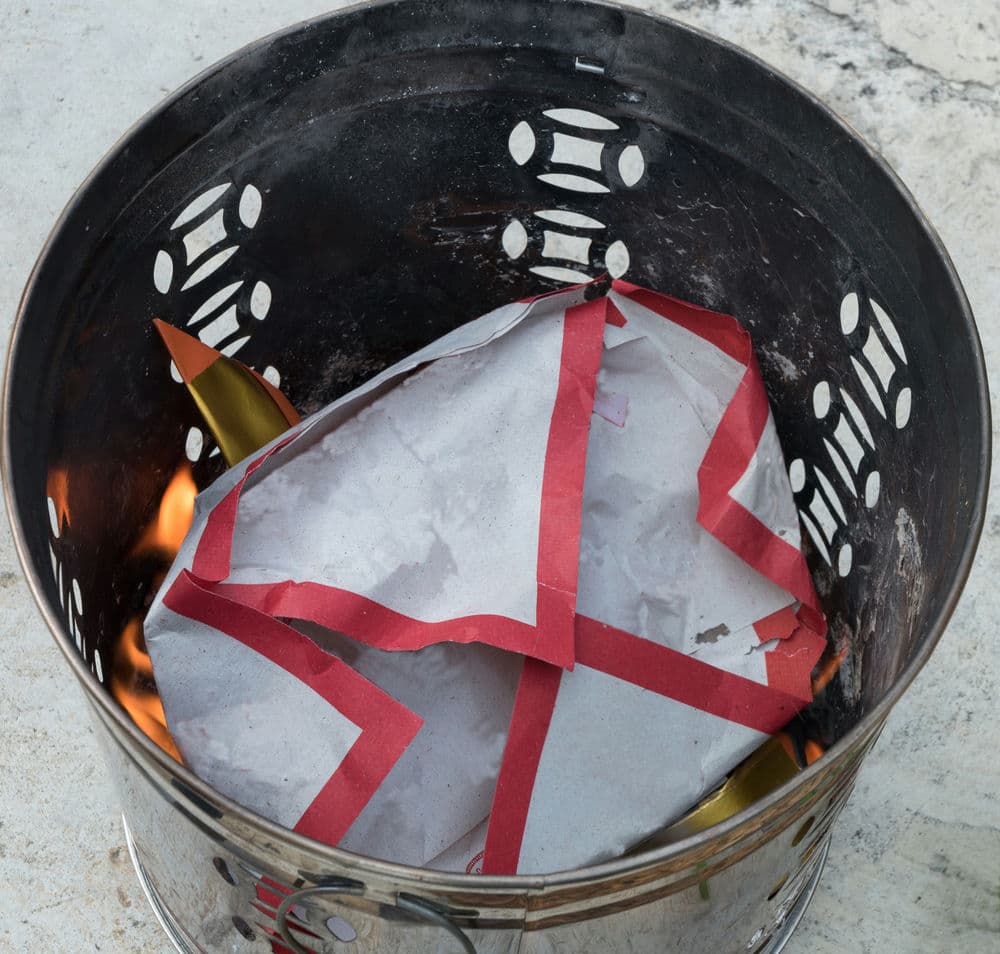
Ancestral offerings
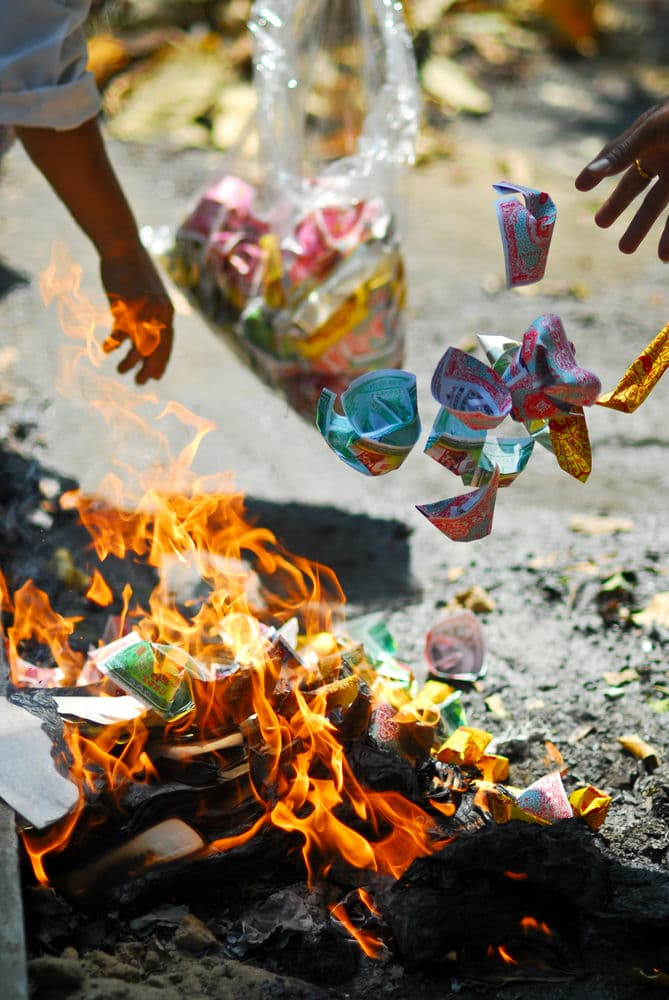
Traditionally the Chinese use joss or incense though, due to environmental issues of burning--leaving plant life at the grave has been a common custom. The celebration of ancestors' lives with big meals, tomb cleanings, and offerings is ingrained in the Chinese culture. It's not wonderful that this observe was spread to other Asian nations. TaiwanIn Taiwan alone, the Joss paper industry remodeled four hundred million dollars in 2014. A majority Taiwanese people belong to the Han Chinese and contribute to funeral traditions around the region. Apart from burning cash, households also will burn their homes made of paper, dolls or even cars during funerals and detailed occasions.
Read more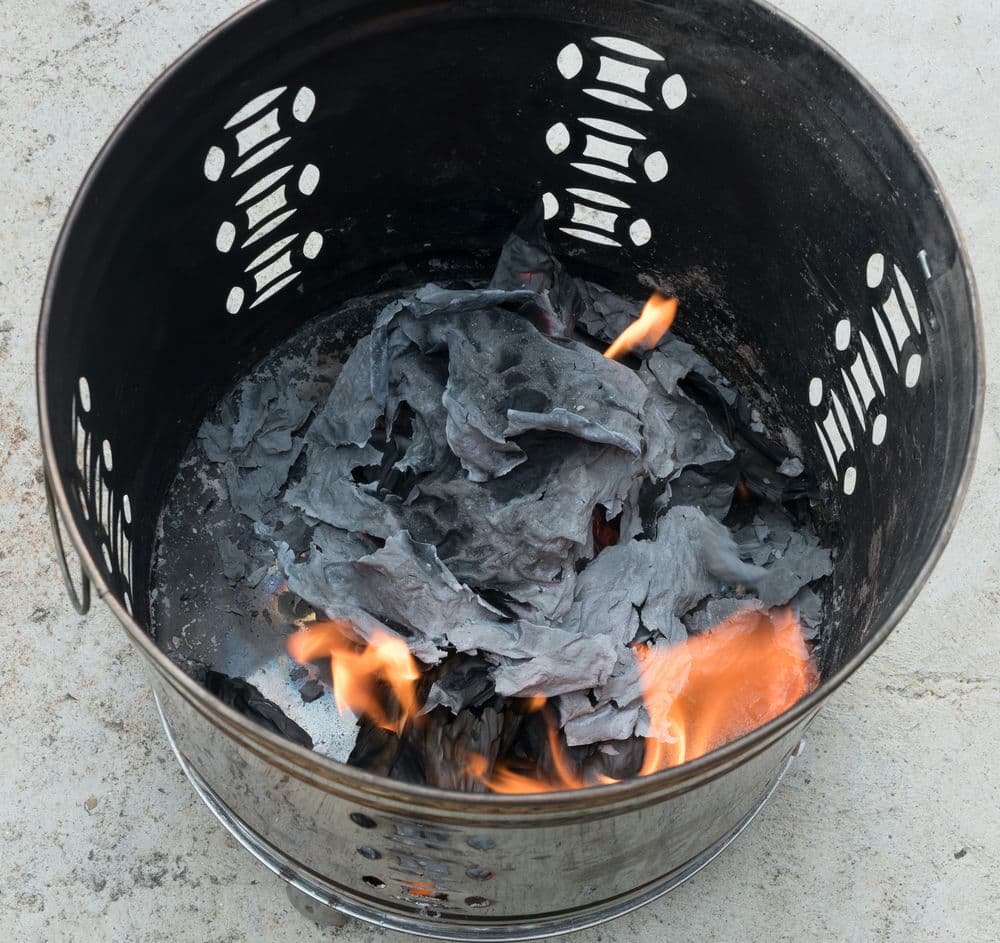
Ancestral money inheritance
The money derived from ancestors' deaths also assists the deceased in a much better next life. Family participants burn large sums of cash in order that they are able to make the most of it to pay down the debts of their bad deeds in their life. Resolving the karmic debts can lead to a more positive future. If a member of the family died abruptly or was young, they weren't given an opportunity to prove themselves by way of effective actions. With such a death it is the duty of loved ones to burn spirit money to allow them to go on to a better life or realm with peace of mind. Ancestor money for hungry ghostsThere are numerous occasions to burn ancestor money.
Read more
Ancestral money in wills
Burning Joss paper or ancient money is vital in the temple. Older generations pass down these traditions to the younger people that honor them. In Vietnam they call Joss paper money from heaven, as they accept as true with it floats into heaven for the deceased to use as a the spirit money. The Vietnamese also use real cash on their home altars for luck. SingaporeOne of the greatest groups of Chinese people is located in Singapore. More than 75 % of Singapore's people living there are Chinese therefore there are many ancestral traditions passed from mainland China across to Singapore.
Read more