



.jpg?AccessKey=8b78d5c0-4207-4126-8e65ec81bf3c-51dc-4511)
Ancestral money in wills
Ancestral Altars: Building And Using
What if I told you that there’s a way to honor your ancestors, connect with them, and gain perception into your personal life? You don’t wish to be a professional in spiritual matters or have a mystic historical past; all you wish is the willingness to attach together with your personal historical past. By developing an ancestral altar, that you may tap into the wisdom of past generations and enrich your life today.
Our ancestral lineage is vast and mysterious. It’s crammed with memories of joy and sorrow, triumphs and defeats - yet its depths remain largely unexplored by many people. Ancestral altars are a technique to bridge this gap among us and our forebears. Through intentional construction and use of those sacred spaces, we pays homage to folks that came before us while awakening our own inner knowing.
Ancestral altars can be as simple or complex as you choose - they can be used for prayer, meditation, honoring lost loved ones, connecting to spirit guides, or every other aim that resonates with you. Whether you come back from a long line of religious seekers or are only just beginning your journey into self-discovery, creating an ancestral altar may help open the door to deeper realizing and connection.
Definition
An ancestral altar is an area for connecting with, honoring, and venerating one’s ancestors. It is also called an ancestor altar or family altar. Ancestral worship is the practice of remembering and paying homage to one’s ancestors by developing an altar as a actual illustration of the reverence felt for them. These altars are normally built in the house, and might be used for a whole lot of rituals, meditations, choices and other sorts of conversation with the honored dead.
The ancestor connection that these altars create can be enormously powerful, providing us with a tangible link to our past and giving us a sense of identification that comes from knowing who we are attached to all over time. Honoring our ancestors helps us perceive where we come from and how our lineage has impacted us in ways both seen and unseen. They stand as reminders of who we are, where we've got been, what has been lost, and what still is still.
Building an ancestral altar is an act of reverence that helps keep alive the memory of people who have gone before us while also allowing us to connect more deeply with our own inner wisdom. Through this apply we have the probability to honor our ancestors in meaningful ways that celebrate their lives while providing us with a greater realizing of ourselves.
Historical Context
Ancestral altars have been part of many cultures for hundreds of thousands of years, beginning with historic ancestor worship and the veneration of non secular ancestors. From African altars to classic Chinese and Japanese altars, these sacred spaces were used to honor one’s deceased relatives, as well as their religious heritage.
The apply of development ancestral altars varies from culture to culture. For instance, African altars basically contain items that constitute the deceased reminiscent of photos, jewellery, outfits or other items that remind people in their family. Additionally, the altar may be decorated with symbols associated with their faith or cultural heritage. Similarly, in China and Japan, traditional ancestral altars often incorporate incense burners and offerings comparable to food and wine.
In modern times, ancestral altars have become an increasing number of everyday among those attempting to attach with their spiritual ancestors. Here are many ways which you could use an ancestral altar:
- Ancestral money mindsetTo honor your family’s legacy
- To offer gratitude to your ancestors
- To seek guidance out of your non secular guides
Using an ancestral altar can be a powerful way to make stronger your connection to your past and build a bridge among yourself and your ancestors. Not only does it help you matter those who have gone before you but also it can create a feeling of peace in understanding that you just are never truly alone.
Principles And Practices
Having explored the historic context of ancestral altars, it’s time to delve into the ideas and practices linked to them. Building an altar is not a mere act of decoration, but rather a religious practice to honor one’s ancestors. It is an offering ritual that invitations connection among you and your ancestors.
When developing an altar, one should think deeply about the gadgets they choose to contain. Each item must be cautiously chose for its potential to create a tangible link among you and your ancestor’s energy. It can be anything so simple as a photo or item of clothes that belonged to your ancestor, or something more summary equivalent to stones or incense that evoke their spirit. Whatever you choose have to be meaningful and attached to the definite ancestor being honored.
In terms of practices, many cultures have quite a lot of rituals linked to these altars. These may comprise offerings similar to food, drinks, incense or herbs; communicating aloud reminiscences; prayers; and even dancing or making a song in honor of those who have kicked the bucket. No matter which tradition you decide to follow, the premier goal remains a similar: connecting along with your ancestral lineage on a deeper level and using this connection to inform where you are heading in life today.
These are only a few basics when it comes to ancestral altars – development them, realizing them and using them for spiritual growth and guidance. There is much more to learn about this ancient practice and the way it can shape our lives for the higher.
Materials Needed
Building an ancestral altar is like weaving a tapestry of your family’s past, present, and future. As with any paintings, it requires the correct elements to get began. Altar cloths will supply a foundation for the sacred items and photos of ancestors that you decide to honor. Candles are important for developing an inviting ambience, as well as for offering illumination in dark times. Finally, incense may help open up spiritual pathways to our cherished dead and create a feeling of peace and reverence in the house.
At its essence, an ancestral altar is a place to rely those we have got loved and lost. By amassing symbols in their lives on an altar, we can keep them close and feel their presence in our daily lives. The items put on an ancestor altar should be significant; they need to hold special significance or bring back fond memories of our cherished deceased. A soft blanket or rug can make the altar more inviting and cozy; recall to mind it as a cozy spot where your ancestors can rest when they come to go to.
The constituents utilized in building an ancestral altar will mirror your individual beliefs and tastes; there is no right or wrong way to go about it. However one chooses to construct their own ancestor shrine, it turns into an impressive tool for honoring the ones who came before us—and connecting with them from beyond the grave.
Constructing The Altar
Constructing an ancestral altar is a sacred act, one that calls for love and a spotlight to detail. It’s often a deeply non-public experience, so it helps to strategy the construction of your altar with endurance and thoughtfulness. To begin, think concerning the sort of altar you are going to love to build - what constituents will you use? How will you arrange them? Will there be any religious symbolism included in your design? Once you have your vision in mind, it’s time to begin inserting together the pieces.
Start by gathering all the materials and objects you desire on your altar. This can comprise photos of deceased household, heirlooms they passed all the way down to you, candles, incense holders, crystals or stones - whatever is significant to you. You can also include such things as bowls for offerings or gifts from nature that represent our relationship with the Earth. When choosing items for your altar, take time to imagine why each bit was chosen and how it connects with your intentions for the distance.
When every little thing is able, cautiously layout and organize your items on a flat surface according to your design plan. Assemble them as if creating a work of art - taking care to make sure each item is placed in its intended spot and that not anything is too cluttered or overwhelming. Finally, once every little thing is founded best, take a few moments to consider what this altar means for you and what goal it will serve in honoring those who came before us.
The manner of development an ancestral altar have to be done with reverence and appreciate - environment aside time for your self in addition to those being honored via this ritualistic follow. With creativity and intentionality comes the possibility for us to form a deeper connection with our ancestors - one which transcends actual barriers so we may proceed their legacy via our own lives.
Rituals And Offerings
We honor our ancestors via rituals and choices. Ancestral altars are a magnificent way to recognize the past, present, and future of our lineage. They remind us of the sacredness of life and our ancestors’ part in it.
Rituals can be as simple or tricky as one wishes, but they must always be meaningful and respectful. The ritual could comprise lighting candles, saying prayers, making a song songs, or making offerings such as food or drink. Offerings are a tangible way to point out gratitude to the spirits who have come before us.
Honoring our ancestors is an act of affection that strengthens the connection with them and their energy. It brings unity to the family line and helps us be counted who we are and where we come from. It is also a reminder that life is helpful and short; thus, each moment must be adored with intention and reverence for those who came before us.
Guided Meditation
Guided meditation is an immensely efficient tool for connecting with and harnessing the flexibility of ancestral wisdom. By engaging in a meditation follow, we can open ourselves up to a spiritual connection that transcends time and space, enabling us to connect with our ancestors and learn valuable courses from their wisdom. Here are four key aspects of guided meditation that assist you to get started:
-
Set an goal: Before beginning your guided meditation, take a moment to set an purpose – what do you want to gain from this adventure? Setting an intention should help you focus your energy on your wanted outcome and create a meaningful ritual practice.
-
Connect with Spirit: Once you’ve set your intention, take some time to attach with Spirit. Invite in any spirit guides or ancestors who may be gift during the meditation, and draw strength from the presence in their energy.
-
Relax your body: As you progress into the meditative state, allow your self to relax deeply into the event. Take slow deep breaths and concentrate on each breath as it moves via your body – feel yourself letting go of physical anxiety as you exhale.
-
Find stillness: Finally, when all stress has been published out of your body and mind, find stillness within yourself – here is where true healing takes place. Focus on listening for any messages that can come through as you deepen into this sacred space of connection with Spirit.
As we explore these historic rituals through guided meditation, we can reawaken our ancestral wisdom and gain skills that can enrich our lives in profound ways. It’s a adventure worth taking – one which will reward us drastically with perception into our reference to those that came before us.
Caring For The Altar
Caring for an altar is not just an easy task. It calls for willpower and commitment to the upkeep of one’s sacred space, in order that it continues to be a source of non secular nourishment for a long time to return. Altar care means commencing an everyday practice of upkeep, maintenance, protection and refreshment.
The first step in taking good care of an altar is ensuring it is kept clean and free from dust. This can be done by evenly wiping down surfaces with a soft cloth or feather duster. It’s also crucial to regularly check the condition of any candles or incense holders and change them as needed. Additionally, if there are any plants on the altar, they should be watered and given proper nourishment as often as possible.
Finally, it’s vital to be counted that altars aren't static items – they need periodic refreshment in an effort to remain shiny and alive with energy. This can include introducing new items or rearranging current ones inside the space on the way to keep things exciting and welcoming. Ultimately, by conducting regular care and maintenance rituals, we honor our ancestral altars in the best way feasible – by making certain that they are going to remain sacred spaces for generations to come.
Disassembling The Altar
When it comes time to take down your ancestral altar, the system is just as crucial as in case you created it. Taking apart the altar with goal and respect may help to ensure that all the energy invested in its production remains intact for future use. Here are some tips for a way to go about disassembling and breaking down an ancestral altar:
-
Begin by thanking each ancestor who graced your altar with their presence. Give thanks for his or her wisdom, guidance, and protection in this time.
-
Dismantle any physical systems that were part of the altar similar to candles or statues with care and reverence. Take apart each element one after the other, being aware of the energy attached to it.
-
Break down any offerings made on the altar such as food, plants, or even written notes by returning them back to where they came from in nature (i.e., composting food scraps). Deconstruct your altar with intentionality so that all of its additives can be utilized again in the future if desired without risk of infection or lack of energy.
Disassembling an ancestral altar is a sacred ritual that enables us to honor our ancestors while also releasing us from their presence until we are ready to call upon them again. Doing this consciously helps us to remain attached with our ancestors while also permitting us space and freedom in our own lives. Respectful disassembly preserves the energy held within the ancestral altar long after it has been taken apart, permitting its power to be recalled whenever necessary with out having to rebuild anew anytime.
Connecting With Ancestors
Creating an ancestral altar is like weaving a bridge among the gift and the past. It’s a way of connecting with our ancestors, and of honoring their memory. We can use it to call upon them in times of need and to provide thanks for his or her steerage.
When building an ancestral altar, one must choose items that are significant to them, as well as non-public mementos from lost family. Candles, images, trinkets, incense and particular stones can be prepared in any variety of ways to create an inviting space that honors our reference to people who have gone before us.
Regularly tending to our ancestral altar is also essential for cultivating a relationship with our ancestors. Rituals equivalent to lighting fixtures candles or incense, saying prayers or playing music can be utilized to invoke their presence and explicit gratitude for his or her defense and wisdom. This regular apply helps create a channel through which we may draw energy from our ancestors.
Through the act of development an ancestral altar we are capable of honor those who have come before us while still honoring ourselves in the present moment – a magnificent reminder that we are a part of anything much larger than ourselves.
Conclusion
The observe of building and using ancestral altars can provide us a powerful connection to our past and supply us with a sense of comfort. It is an historic custom, yet one that can be very appropriate and significant in the gift day. By enticing with this sacred ritual, we can come to understand the importance of honoring our ancestors and the impact they have on our lives. This simple act of reverence can bridge the gap among past and present generations, reminding us that no matter how distant we are from our loved ones, their spirit will always remain close to us.
Creating an altar for our ancestors is a way for us to open ourselves up to their steerage and wisdom. As we build it, we instinctively create a safe space where connection, deep listening, and knowing can exist. We rely the thoughts of our lineage—their struggles, triumphs, joys and sorrows—as in the event that they were a part of our own experience. In this kind, we embrace them as part of who we are now; they become a part of us even though they could have kicked the bucket in the past.
Through this meaningful apply of connecting with our lineage through ancestral altars, we gain insight into ourselves as well as into the flexibility of collective historical past—we “stand on the shoulders” of those that came before us. We learn more about where we come from so that when life throws curveballs at us, we all know that irrespective of what happens, our roots are strong enough to maintain us standing firm - like a rock in a stormy sea.
Ancestral money in Africa
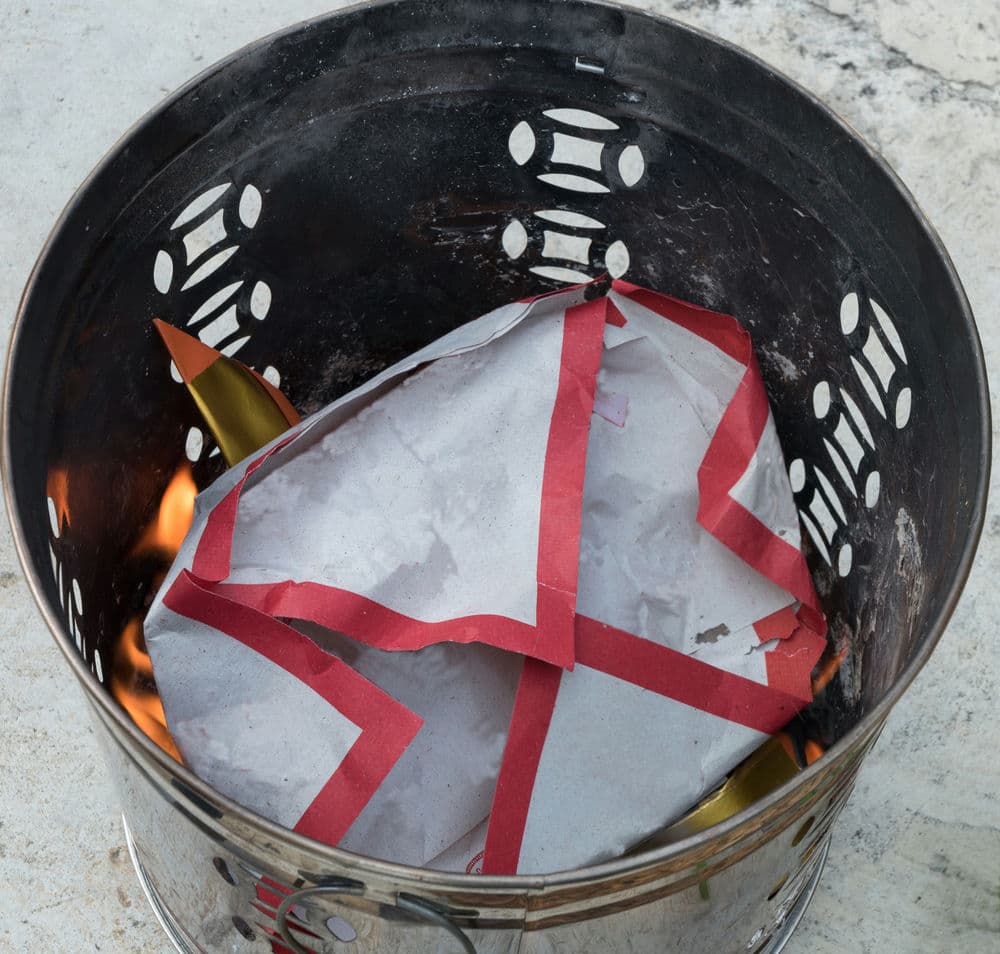
It is used to burn ghosts or family. Based on the condition, people burn different kinds of Joss paper at loads of dates. For illustration, at weddings or births, the family honors ancestors with gold money. Some cultures even use paper gadgets as an alternative of cash. In Taiwan households create paper models of their furniture, homes, and cars, so the deceased can have the very best afterlife. History of Ancestor MoneyAncestor worship is a vital part of the belief that those that died live in an alternate world.
Read more
Ancestral money
The family member who died uses the money to repay the remainder of his debt in order to obtain an immortal body and destiny to begin its karmic journey.
Read more
Ancestral money in Asia
Joss Paper, also referred to as Ghost or Spirit Money are sheets of paper that are burned during conventional Chinese reverence for ancestors or gods in ceremonies on special holidays. Joss paper is also burnt in the traditional Chinese funerals. Joss paper is customarily constructed from bamboo, which is a rough fabric however it rice paper is also frequently utilized. The traditional joss papers are cut in rectangular or square pieces. Every square of paper involves either a thin piece of square foil, glued to its center or can be signed by a red ink seal this is an old Chinese seal. The color on the paper's surface is white, white colour representing mourning, the square foil usually has a golden or silver metal shade and hence representing wealth or money, most advantageous to the term ghost money or the spirit of cash.
Read more